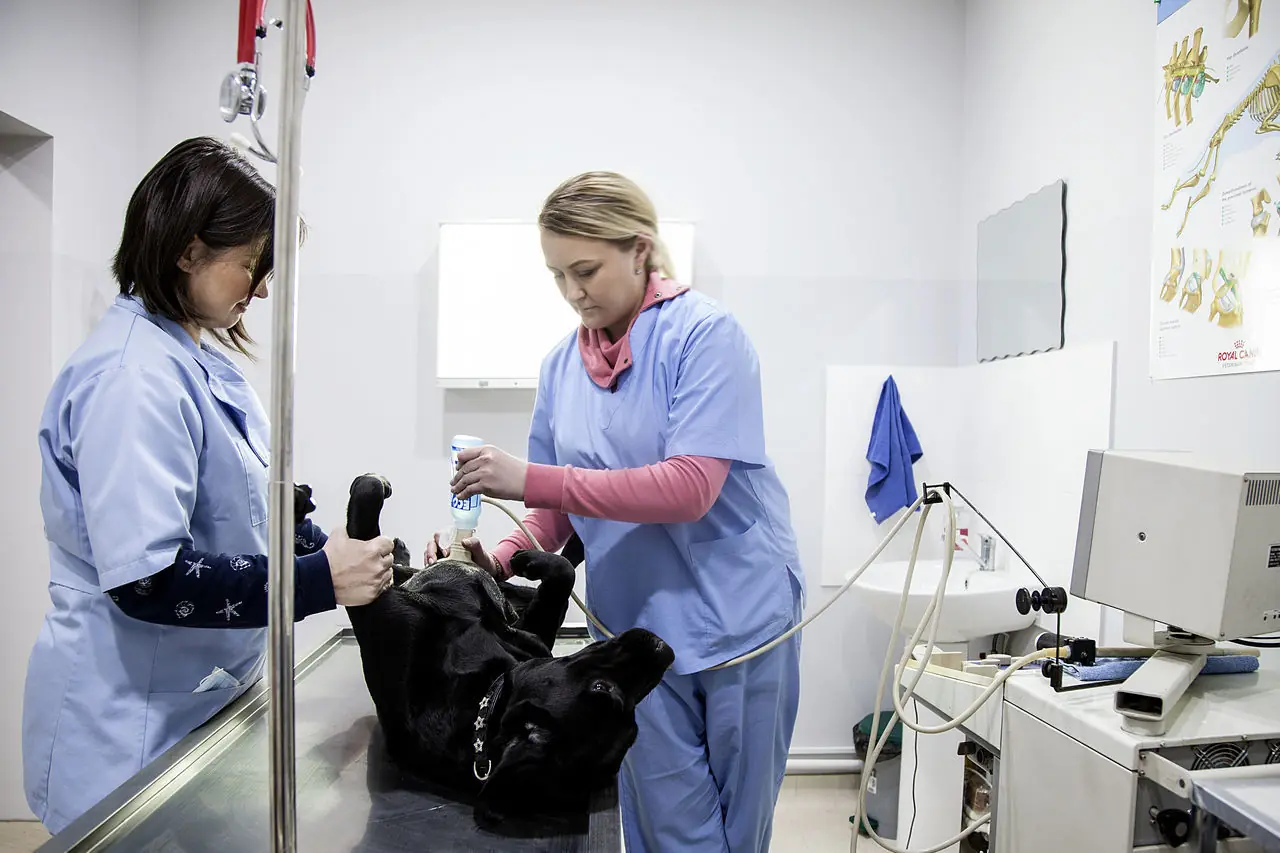
About this service
Patient safety starts before surgery: a clinical exam, blood tests and, if needed, ECG and X-rays. Based on these we choose the right anaesthetic protocol for each animal.
After the operation you get clear instructions for care at home, and we schedule check-ups and stitch removal together.
What it includes
Abdominal surgery
- Gastrotomy (foreign body removal)
- Intestinal resection
- Exploratory laparotomy
- Inguinal, abdominal and perineal hernia
- Eventration and evisceration
- Rectal prolapse
Chest surgery
- Diaphragmatic rupture
- Pneumothorax and haemothorax
- Chest drainage + treatment
Head and neck
- Sialoadenectomy (salivary gland)
- Aural haematoma
- Jaw fractures
Skin and soft tissue
- Removal of skin tumours
- Wound suturing + treatment
- Grass seed removal + treatment
- Stitch removal + wound care
What surgical care includes
- Full pre-operative assessment
- Anaesthesia tailored to the patient
- Monitoring throughout the operation
- Pain relief
- Post-operative check-ups and stitch removal
How it works
- 1
Consultation
Clinical exam and the necessary tests.
- 2
Preparation
8–12 hours of fasting before surgery.
- 3
Surgery
Under anaesthesia, with continuous monitoring.
- 4
Recovery
Home care instructions and check-ups.
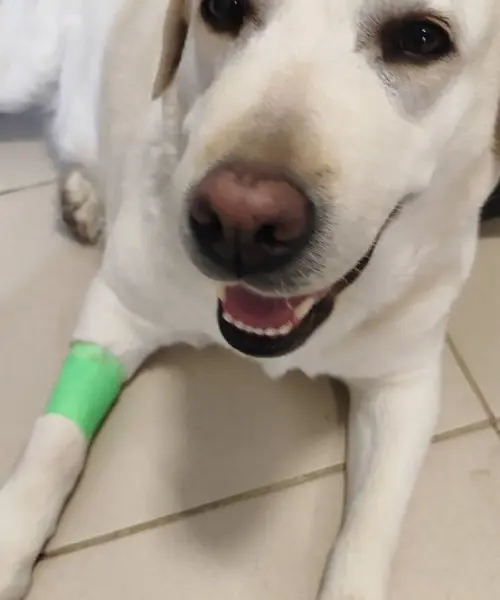
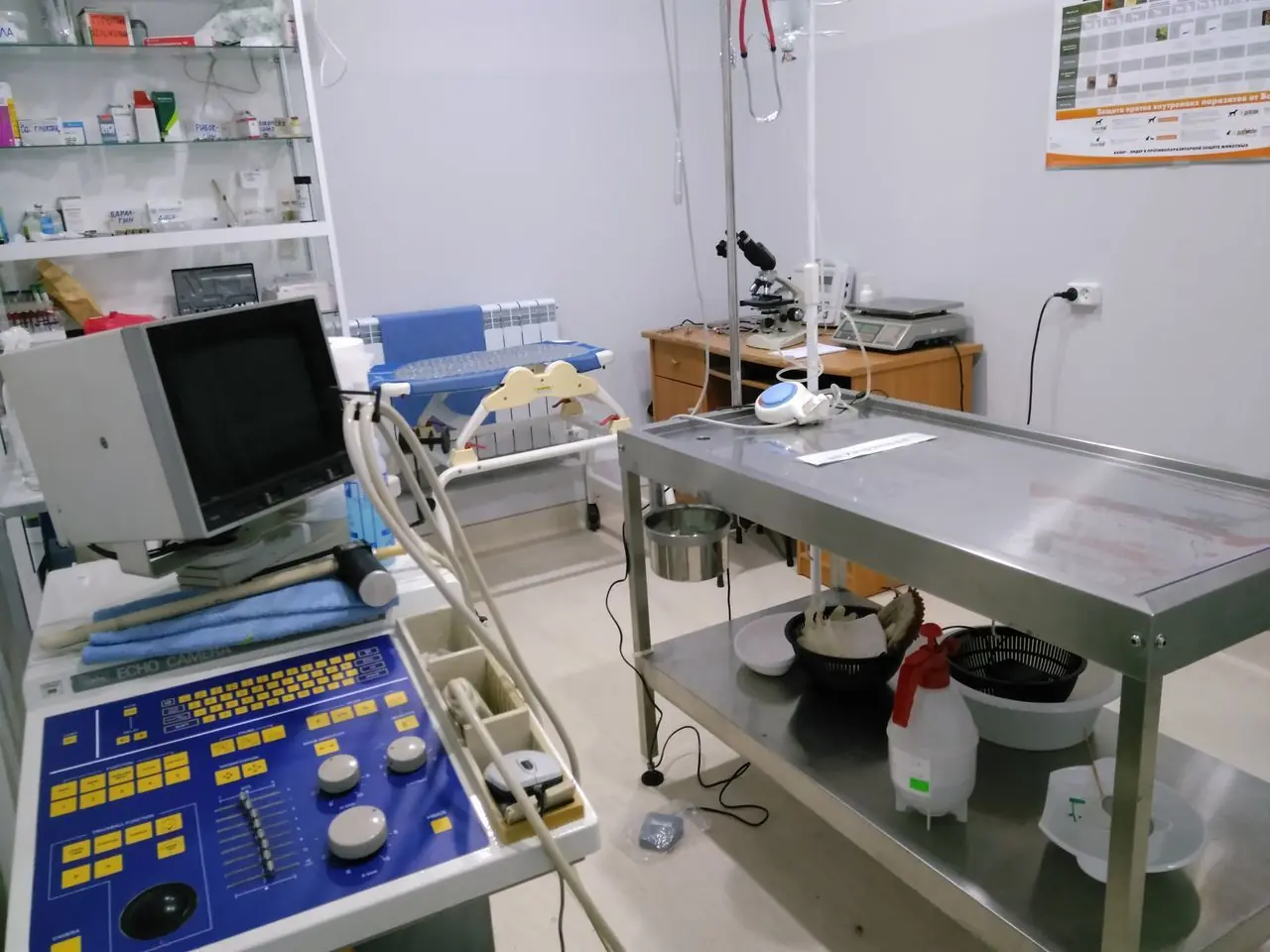
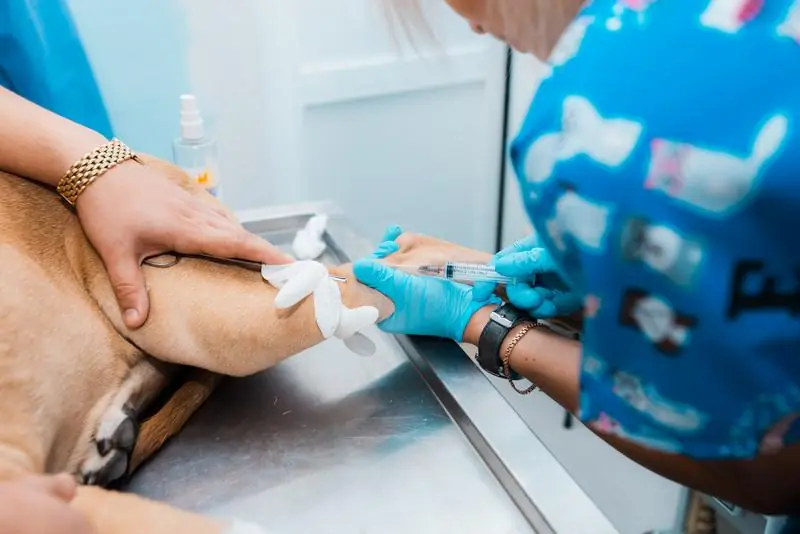
From our clinic
Frequently asked questions
How long should my pet fast before surgery?
Usually 8–12 hours without food. Water can be offered until a few hours before. Your vet will give you exact instructions.
What should I do after the operation?
Stop your pet licking the wound (cone or recovery suit), give the prescribed treatment and keep the check-up appointments. Call us if you notice bleeding, swelling or lethargy.
Is anaesthesia risky?
Every anaesthetic carries some risk, but a careful pre-operative assessment and monitoring keep it to a minimum.