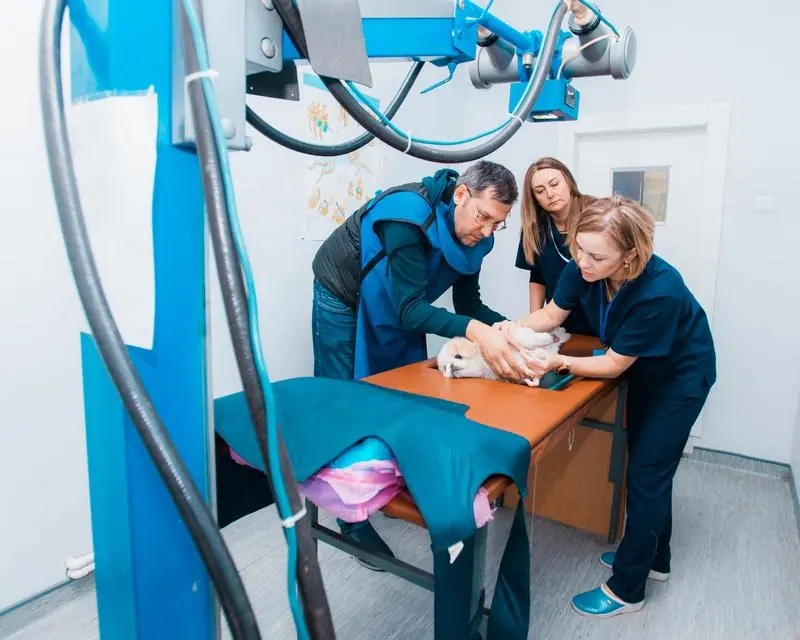
About this service
We have experience in reconstructive and plastic surgery and in trauma care. We treat fractures of the limbs, jaw and toes, and joint dislocations. Pins are removed once the bone has healed.
Recovery matters as much as the operation: we monitor healing with follow-up X-rays and guide you step by step through the recovery period.
What it includes
Front legs
- Humerus fracture
- Radius fracture
- Toe fracture
- Elbow dislocation
- Limb amputation (when indicated)
- Dewclaw removal
Hind legs
- Femur and femoral head fracture
- Tibia fracture
- Toe fracture
- Hip dislocation
- Kneecap (patella) luxation
- Limb amputation (when indicated)
Other procedures
- Jaw fracture
- Pin removal after bone fixation
- Intra-articular and paravertebral injections
When to see an orthopaedic vet
- Your pet will not put weight on a leg
- Limping that does not settle within 1–2 days
- Swelling, deformity or pain when touched
- After a road accident or a fall from a height
- Difficulty getting up or climbing stairs
How it works
- 1
Orthopaedic exam
We assess gait, joints and pain.
- 2
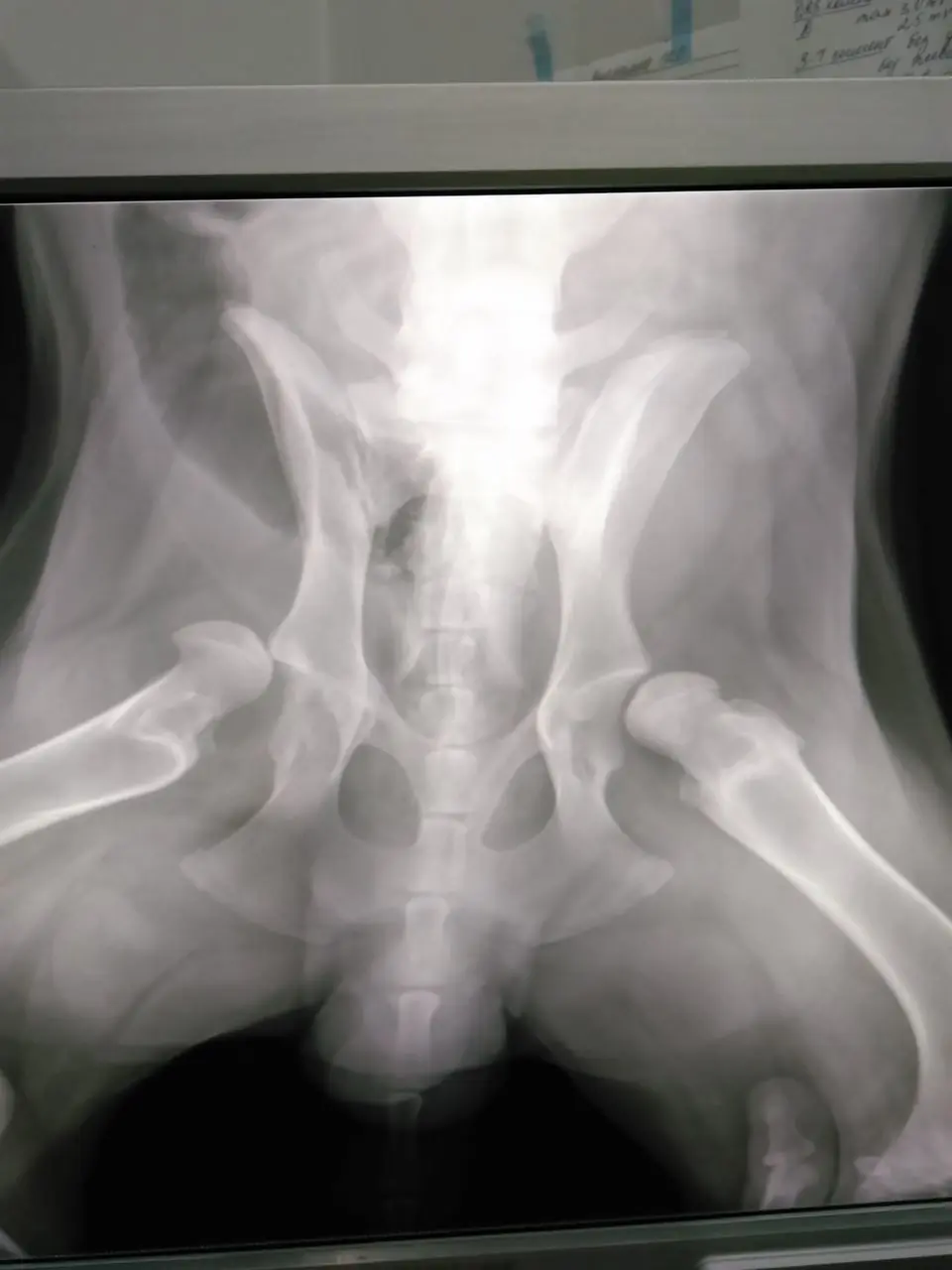
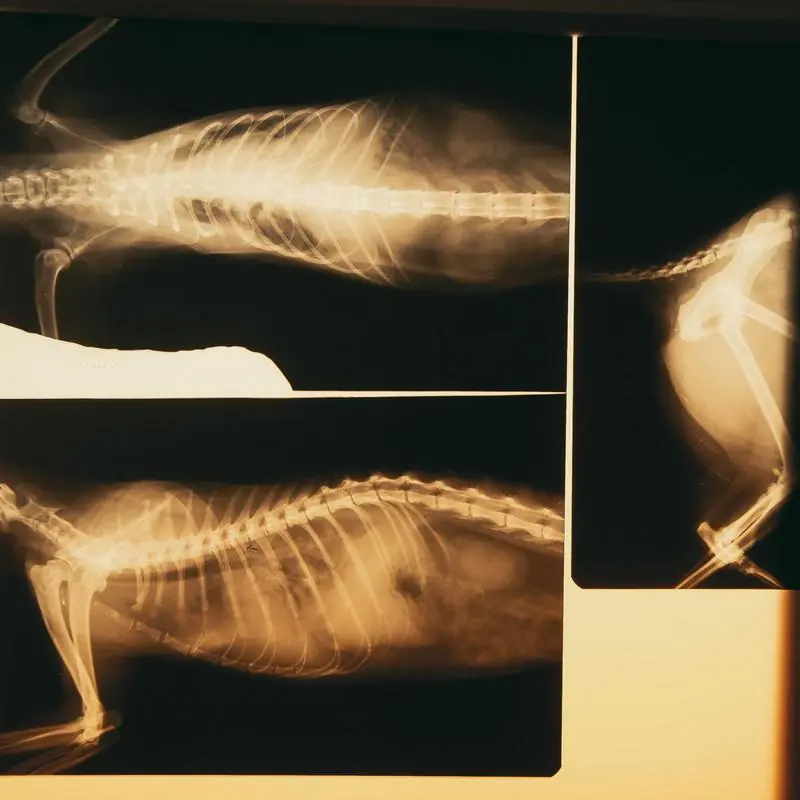
X-ray
A digital image of the injury within minutes.
- 3
Treatment
Bone fixation, reduction or immobilisation.
- 4
Follow-up
We track bone healing with X-rays.
From our clinic
Frequently asked questions
My pet is limping but does not seem to be in pain. Should I come in?
Yes. Animals are good at hiding pain. A limp that lasts more than a day or two should be checked.
How long does a fracture take to heal?
On average 6–12 weeks, depending on age, the type of fracture and the fixation method. We monitor progress with X-rays.
Does the pin need to come out after healing?
It depends on the case. Sometimes implants are removed once the bone has healed. Your vet will advise on the right time.