About this service
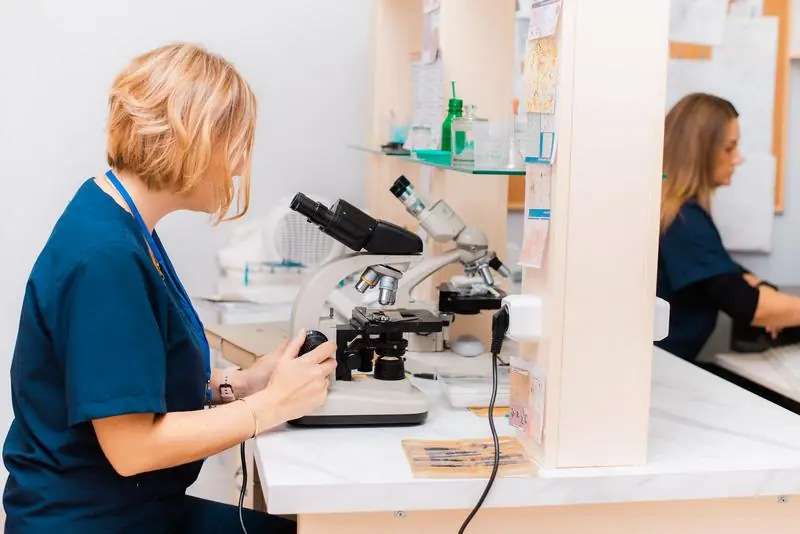
Itching, redness and bald patches can have dozens of causes. That is why we never treat “by eye”: a skin scraping under the microscope or a ringworm test shows exactly what we are dealing with.
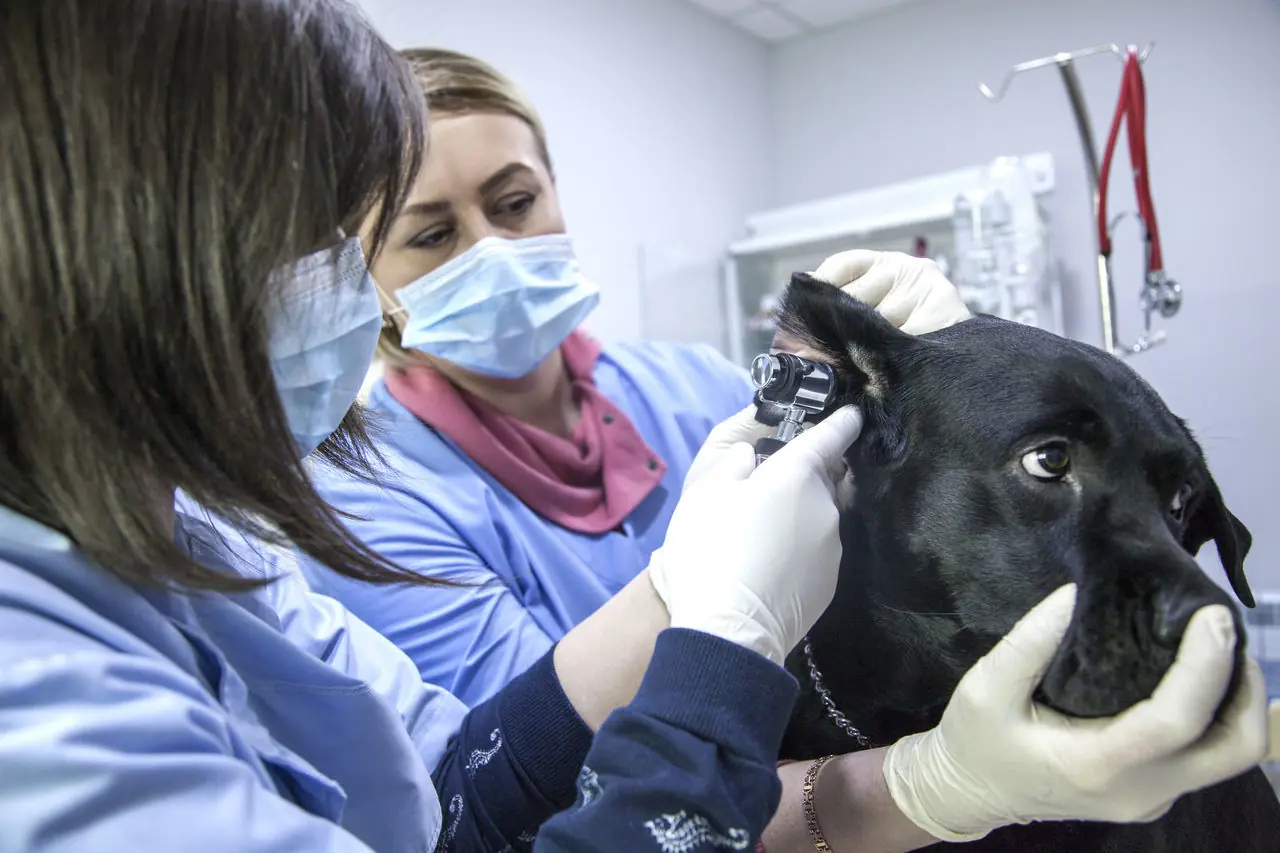
Ears are examined with an otoscope and ear infections are treated in a targeted way. An aural haematoma (swollen ear flap) is treated surgically, and suspicious skin lumps are removed.
What it includes
Diagnostics
- Skin scraping: demodex, scabies and other skin parasites
- Dermatophyte (ringworm) diagnosis
- Otoscopy: examination of the ear canal
- Bacterial culture
Treatment
- Ear infection treatment
- Aural haematoma: surgical treatment
- Removal of skin tumours
- Wound cleaning and care
- External parasite treatment
Signs the skin needs help
- Itching and constant scratching
- Bald patches, scabs, dandruff
- Redness, irritation, a bad smell
- Your pet shakes its head and scratches its ears
- Lumps or swellings under the skin
- Excessive paw licking
How it works
- 1
Examination
We assess the skin, coat and ears.
- 2
Tests
Skin scraping, cytology or a fungal test.
- 3
Diagnosis
We find the real cause of the problem.
- 4
Treatment
Targeted treatment and follow-up of progress.
From our clinic

Frequently asked questions
My pet is scratching but has no fleas. What could it be?
There are many possible causes: mites (demodex, scabies), fungal infections, food or environmental allergies, infections. A skin scraping examined under the microscope clarifies the diagnosis.
Can fungal skin infections spread to people?
Some forms of ringworm can. That is why fast diagnosis and good hygiene during treatment are important.